As the world becomes more aware of environmental issues, many homeowners are looking for ways to make a positive impact. Eco-friendly home upgrades not only benefit our planet but also create healthier living spaces. Imagine transforming your home into a sanctuary that reflects your commitment to sustainability while saving you money in the long run. Whether you’re starting small or planning a complete overhaul, every green choice counts toward building a brighter future for everyone. Let’s explore some exciting and practical options that can enhance both your home’s comfort and its eco-friendliness.
Benefits of Making Sustainable Choices
Making sustainable choices has far-reaching benefits that extend beyond just personal satisfaction. One of the most significant advantages is the positive impact on our environment. By opting for eco-friendly products and practices, we contribute to reducing waste and conserving natural resources. Moreover, these choices often lead to healthier living conditions. Many sustainable materials are free from harmful chemicals that can affect indoor air quality. Cleaner air means a better quality of life for you and your family.
Energy-Efficient Upgrades for the Home
Upgrading to energy-efficient systems can transform your home’s sustainability. Start with LED lighting. These bulbs consume less power and last significantly longer than traditional ones. Consider smart thermostats too. They learn your schedule and optimize heating or cooling for maximum efficiency, saving you money on energy bills. Insulation is another key factor. Properly insulated walls, attics, and floors help maintain a comfortable temperature year-round while reducing reliance on HVAC systems.
Using Renewable Materials in Home Construction
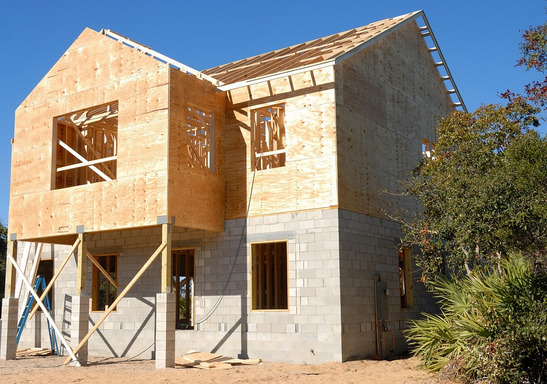
Choosing renewable materials for home construction is a powerful way to reduce your environmental impact. Bamboo, for instance, grows incredibly fast and can be harvested without harming the plant itself. It’s strong yet lightweight, making it an excellent alternative to traditional timber. Reclaimed wood also offers a unique aesthetic while minimizing waste. By repurposing old beams and planks, you give new life to materials that might otherwise end up in a landfill. This not only preserves resources but adds character to your space. Another option is straw bales or earth blocks, which provide natural insulation and are biodegradable. These materials create healthy living spaces with lower energy costs.
Water Conservation Techniques for the Home
Water is a precious resource, and conserving it at home can make a significant difference. Simple changes in daily routines can lead to substantial savings. Start by fixing leaks promptly. A dripping faucet may seem minor but can waste gallons over time. Consider installing low-flow showerheads and faucets. These fixtures reduce water usage without sacrificing pressure. Collect rainwater for gardening or outdoor cleaning tasks. A rain barrel is an easy installation that benefits both your plants and the environment.
Indoor Air Quality and Non-Toxic Options for Cleaning and Maintenance
Indoor air quality is often overlooked, yet it plays a crucial role in our health. Many cleaning products contain harsh chemicals that contribute to poor air quality and can trigger allergies or respiratory issues. Opting for non-toxic cleaning solutions makes a significant difference. Vinegar, baking soda, and essential oils serve as effective alternatives. They clean effectively without releasing harmful fumes into your home. Regularly ventilating your space helps too. Opening windows allows fresh air to circulate and reduces indoor pollutants. Consider adding houseplants like peace lilies or spider plants; they naturally purify the air while enhancing aesthetics. Their presence adds life to any room.
Cost-Effective Tips for Going Green at Home
Going green doesn’t have to break the bank. There are plenty of cost-effective ways to make your home more sustainable. Start with energy-efficient lighting. Switching to LED bulbs can significantly reduce your electricity bills while offering brighter illumination. Consider DIY projects for insulation, such as sealing drafts around windows and doors. It’s a simple way to keep your home cozy without relying on heating systems. Embrace second-hand shopping for furniture and decor. Not only is it budget-friendly, but it also promotes reusing items instead of buying new ones.
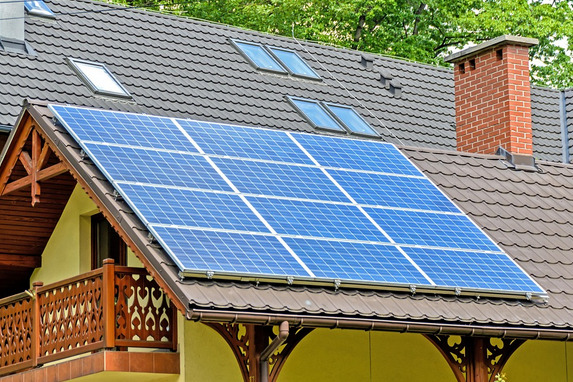
Making eco-friendly upgrades to your home doesn’t have to be overwhelming. Every small step counts towards a larger goal of sustainability. Whether you choose energy-efficient appliances or incorporate renewable materials, each decision contributes positively to the environment. Consider starting with simple changes like switching out light bulbs for LEDs or using natural cleaning products. These adjustments can make a significant impact without breaking the bank. As you become more comfortable with green choices, explore bigger projects like installing solar panels or implementing rainwater harvesting systems.